
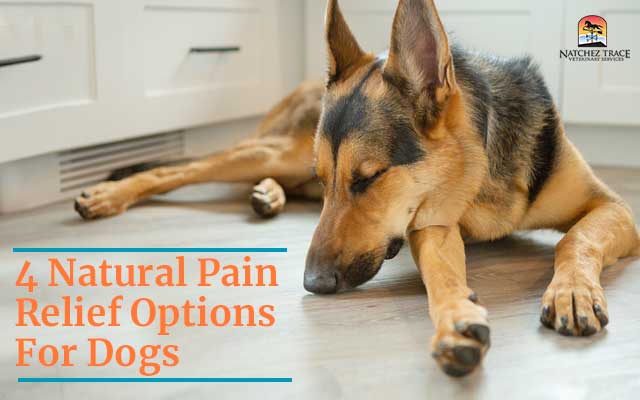
When your dog is in pain, it’s completely natural to start looking for answers, especially natural options that feel safer.
I talk to a lot of pet owners who are concerned about using conventional pain medications long-term. And those concerns are valid. Medications like NSAIDs can be very helpful in the right situation, but over time, they can put stress on the liver, kidneys, and gastrointestinal system. That doesn’t mean we avoid them entirely, but it does mean we use them thoughtfully and, whenever possible, support the body in other ways alongside them.
The good news is, you do have options.
From an integrative perspective, there are several ways we can help manage your dog’s pain more naturally while still being grounded in good veterinary medicine. These may include acupuncture to help reduce inflammation and improve circulation, herbal medicine to support the body’s healing response, and targeted nutrition or supplements to help protect joints and tissues.
We also look at factors like mobility, muscle health, and stress levels, because all of these can influence how your dog experiences pain.
The goal is not just to mask discomfort, but to support your dog’s body in ways that help them feel better, move better, and maintain a good quality of life.
Every dog is different, so the best approach is always tailored to your dog’s needs.
Natural Pain Relief Options for Dogs
When your dog is in pain, it’s important to know you have safe and effective options beyond medication alone.
In my practice, I often recommend a combination of natural therapies that work with your dog’s body to reduce discomfort and support healing. These approaches are not only well-tolerated, but they can also be used alongside conventional treatments when needed.
The goal is to help your dog feel more comfortable while supporting long-term health, not just short-term relief.
Below are a few of the most effective natural options we commonly use to help manage pain and improve quality of life.
1. Glucosamine and Chondroitin
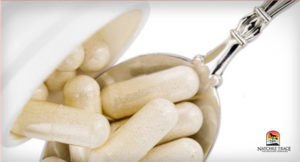 As your dog gets older, one of the most common issues we see is osteoarthritis. Over time, the cartilage that cushions your dog’s joints begins to wear down, which can lead to inflammation, stiffness, and discomfort.
Glucosamine and chondroitin are two of the most widely used supplements to help support joint health. They provide key building blocks that help maintain and protect cartilage and support the fluid that cushions the joints.
In many cases, these compounds also have mild anti-inflammatory effects, which can help reduce discomfort and improve mobility.
From an integrative perspective, I often use these as part of a broader plan. While they help support the structure of the joint, we may also combine them with therapies like acupuncture, herbal medicine, or targeted nutrition to address inflammation and improve overall function.
Used consistently, these supplements can help your dog move more comfortably and stay active longer.
2. PET | TAO Comfort Supplement for Dogs
When your dog is dealing with discomfort, one of the first things I look at is how we can support the body naturally, especially when it comes to managing inflammation.
Many plants, herbs, and nutrients have been studied for their ability to support a healthy inflammatory response. When used correctly, they can help reduce discomfort without placing additional stress on the body.
PET |TAO Comfort is a supplement I often recommend as part of an integrative plan. It’s formulated with a blend of herbs and nutrients that help support joint comfort, mobility, and overall function. Ingredients such as boswellia, yucca, and MSM are known for supporting a balanced inflammatory response and helping maintain normal activity levels.
I typically suggest adding it to your dog’s daily routine, ideally with food, so it’s easy to give consistently.
From an integrative perspective, this type of support works best when combined with other therapies like acupuncture, massage, or targeted nutrition. The goal is not just to reduce discomfort, but to help your dog move more comfortably and stay active over time.
Used consistently, many dogs show improved mobility and greater ease in their daily activities.
3. CBD
CBD is something many pet owners ask me about, and in the right situation, it can be a helpful tool.
 CBD, or cannabidiol, is a compound derived from hemp that has been studied for its ability to support a balanced inflammatory response, help manage discomfort, and promote a sense of calm. In some dogs, it may also support gut health and overall wellness.
That said, it’s important to use CBD thoughtfully.
If your dog is currently on medications, I always recommend discussing it with your veterinarian before starting. CBD can interact with certain drugs because it is processed through the liver, so we want to make sure everything works together safely.
Quality also matters quite a bit. Not all CBD products are the same. I recommend choosing a high-quality product that has been third-party tested and includes a current certificate of analysis to confirm purity and potency.
When starting CBD, begin with a low dose and gradually adjust based on how your dog responds. Every dog is different, and finding the right dose often takes a little guidance and observation.
From an integrative perspective, CBD can be a useful part of a broader plan, especially when combined with therapies that support mobility, reduce inflammation, and improve overall comfort.
The goal is always the same: help your dog feel better in a safe, steady, and sustainable way.
4. Herbsmith Cordyalis Relieve Soreness
Another option I often use in practice is an herbal formula called Corydalis Relieve Soreness by Herbamith Rx.
This formula is based on Traditional Chinese Veterinary Medicine principles and is designed to help move Qi and Blood, which is especially important when we’re dealing with pain. In TCVM, pain is often the result of stagnation, meaning circulation is not flowing as it should.
When we use a formula like this, the goal is to improve circulation, reduce stagnation, and allow the body to begin repairing itself more effectively. As Qi and Blood begin to move more freely, we often see a reduction in stiffness, soreness, and overall discomfort.
It’s important to understand that this is just one of many TCVM herbal formulas available. I don’t take a one-size-fits-all approach. Instead, I select the specific formula based on your dog’s individual TCVM exam findings, including things like tongue, pulse, overall constitution, and the pattern of imbalance we’re seeing.
From a Western perspective, many of the herbs in this formula have been studied for their ability to support circulation and modulate inflammation, which helps explain why these formulas can be so effective.
I also want to acknowledge something I hear from clients all the time. When your dog is in pain, your first instinct is often to ask, “Is there a natural way to help?” That’s a very reasonable question.
Natural therapies can offer meaningful support, especially when used appropriately. In some cases, we use them on their own. In others, we combine them with conventional treatments to get the best outcome for your dog.
The goal isn’t to choose one approach over the other. It’s about using the right tools at the right time to help your dog feel better, move more comfortably, and maintain a good quality of life.
I also want to share something helpful with you.
In the video below, I walk through a few simple ways you can begin using natural herbs to support your dog’s comfort. These are practical strategies you can start incorporating into your dog’s routine to help manage everyday aches and support overall well-being.
When used appropriately, herbal support can be a very effective part of an integrative plan to help your dog feel better and move more comfortably.
Take a few minutes to watch. It will give you a better sense of how these approaches can fit into your dog’s care.
Conclusion

Conventional pain medications absolutely have a time and a place, and in many cases, they play an important role in keeping your dog comfortable. But they are not your only option.
There are several natural approaches we can use to support your dog’s comfort. When selected appropriately, these options can help reduce inflammation, improve mobility, and support overall quality of life, often with fewer unwanted side effects.
The key is choosing the right combination for your individual dog.
I always recommend having a conversation with your veterinarian before starting anything new. If your dog still isn’t as comfortable as you’d like, it may be time to explore additional options and build a more complete plan.
That’s where I can help.
I offer both in-clinic and telemedicine consultations, and I work with many pet owners who continue seeing their primary veterinarian while partnering with me for TCVM and integrative support. This kind of collaborative approach often gives you the best of both worlds: conventional care when needed, along with natural therapies to support long-term comfort and balance.
At the end of the day, our goal is simple: help your dog feel better, move more comfortably, and maintain the best possible quality of life.
ASK QUESTIONS OR SCHEDULE AN APPOINTMENT
References:
- Bhathal, A., Spryszak, M., Louizos, C., & Frankel, G. (2017). Glucosamine and chondroitin use in canines for osteoarthritis: A review. Open Veterinary Journal, 7(1), 36. https://pmc.ncbi.nlm.nih.gov/articles/PMC5356289/
- Silva, N. E., Luna, S. P., Joaquim, J. G., Coutinho, H. D., & Possebon, F. S. (2017, September 1). Effect of acupuncture on pain and quality of life in canine neurological and musculoskeletal diseases. https://pmc.ncbi.nlm.nih.gov/articles/PMC5556488/
- Yeung, T., & Uquillas, E. (2025). Does oral cannabidiol oil in adjunct to pain medications help reduce pain and improve locomotion in dogs with osteoarthritis? Veterinary Evidence, 10(1). https://veterinaryevidence.org/index.php/ve/article/view/701