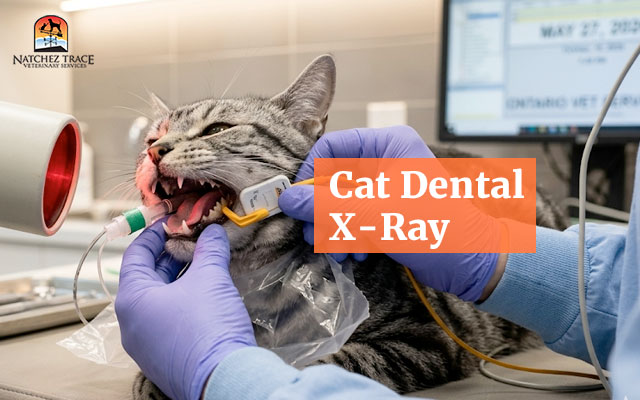
Cat Dental X-Ray: What Every Cat Owner Should Know
What is a cat dental x-ray, and why would a cat need one? Cat dental X-rays are more than just a diagnostic tool—they’re a window into
Welcome to the realm of Radiology and Ultrasound—a window into your pet’s health that allows for precise diagnostics and comprehensive care! Have you ever pondered the invaluable role of imaging technologies in understanding and managing your pet’s health concerns?
Imagine a world where advanced diagnostic tools like X-rays and ultrasound enable veterinarians to visualize internal structures, detect abnormalities, and guide treatment decisions. Radiology and ultrasound in veterinary medicine offer non-invasive methods to examine bones, organs, and soft tissues and assess pregnancies, aiding in accurate diagnoses and treatment planning.
It’s time to recognize the significance of these imaging techniques in veterinary care. Radiology and ultrasound empower veterinarians to visualize potential issues, identify injuries, tumors, fractures, and monitor the progression of diseases, contributing to more precise and effective care for our furry companions.
Now, envision your pet benefiting from advanced radiology and ultrasound imaging—receiving accurate assessments that assist in diagnosing health conditions and guiding appropriate treatments. By understanding the importance of these imaging technologies, pet owners can actively participate in their pet’s healthcare journey and ensure comprehensive and targeted care.
The articles below emphasize the critical role of radiology and ultrasound in veterinary medicine, showcasing how these imaging modalities facilitate accurate diagnoses and tailored treatments for your pet’s well-being. Embrace the advancements in diagnostic imaging, ensuring your furry friend receives advanced and personalized care for a healthier and happier life!

What is a cat dental x-ray, and why would a cat need one? Cat dental X-rays are more than just a diagnostic tool—they’re a window into
One of the most common questions I get from pet owners is about what foods are actually safe to share with their dog. The truth
Dark chocolate is one of the most lethal human food your dog can ingest even in small amounts. And if your dog ate dark chocolate,
As your dog ages, you may begin to notice subtle changes. Stiffness when getting up. Slower movement on walks. Less interest in jumping or playing.
One topic we’re often asked about is the leptospirosis core vaccine. As of 2024, the American Animal Hospital Association (AAHA) now classifies it as a