Prolotherapy for Partial ACL Tears in Large Mix Breed Dogs
From the Desk of Dr. Marc Smith… A Question for the Doctor: I have a 110-pound mix breed (Border Collie/St. Bernard) who was diagnosed with
Welcome to the world of prolotherapy—an innovative and natural approach to healing your pet’s joint injuries and chronic pain! Have you ever considered the fantastic potential of prolotherapy in aiding your furry friend’s recovery?
Imagine a treatment method that promotes the body’s natural healing process by stimulating tissue repair. Prolotherapy for pets involves injections of natural substances, such as dextrose, to strengthen and stabilize damaged ligaments and tendons, relieve pain and restore function.
It’s time to realize that your pet’s comfort and mobility can extend beyond conventional treatments. Prolotherapy, scientifically proven to be effective, offers a non-surgical option to address joint issues and alleviate discomfort.
Now, picture your pet overcoming joint pain and thriving with increased ease and mobility after prolotherapy sessions. By understanding how prolotherapy works, you can easily integrate it into your pet’s healthcare regimen, contributing to their overall well-being.
The articles below will delve into the power of prolotherapy for pets, demonstrating how this minimally invasive procedure could be a game-changer in improving your pet’s quality of life. Embrace this change and imagine your furry friend enjoying a more active, pain-free existence. Get ready to explore the wonders of prolotherapy and witness the potential it holds for your beloved companion!

From the Desk of Dr. Marc Smith… A Question for the Doctor: I have a 110-pound mix breed (Border Collie/St. Bernard) who was diagnosed with

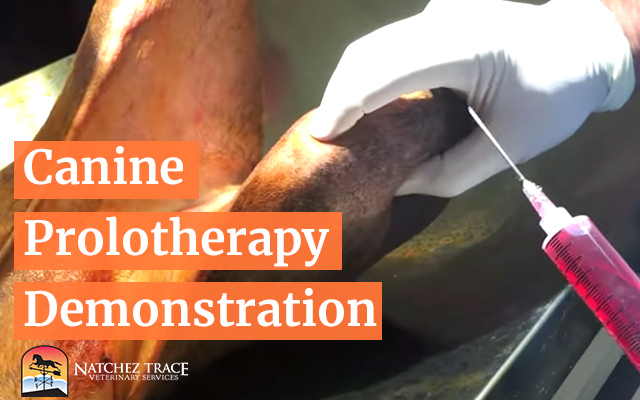
Watch a video of Dr. Smith performing a prolotherapy treatment on a dog. During prolotherapy, the vet injects an irritant solution into damaged or weakened
One of the most common questions I get from pet owners is about what foods are actually safe to share with their dog. The truth
Dark chocolate is one of the most lethal human food your dog can ingest even in small amounts. And if your dog ate dark chocolate,
As your dog ages, you may begin to notice subtle changes. Stiffness when getting up. Slower movement on walks. Less interest in jumping or playing.
One topic we’re often asked about is the leptospirosis core vaccine. As of 2024, the American Animal Hospital Association (AAHA) now classifies it as a