
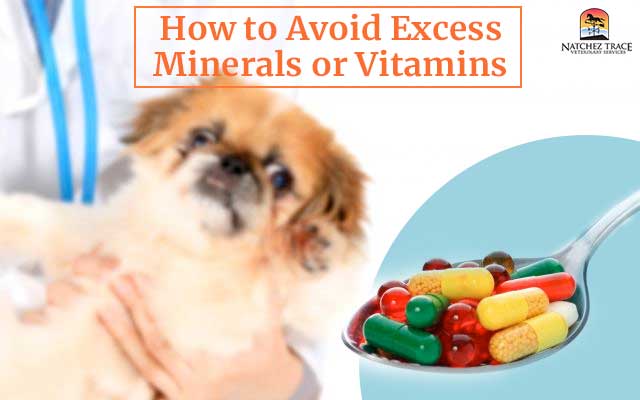
As pet owners, you always keep your furry friends’ best interests in mind, and providing them with a balanced diet is of utmost importance to their health and well-being.
While pet vitamins and supplements can be beneficial in certain situations, it’s crucial to understand that an excess of minerals or vitamins can have the opposite effects on your pets. Too much of anything is bad.
In this article, we will explore the potential risks associated with an overdose of minerals or vitamins when using pet supplements, the importance of balance in their diet, and guidelines for safe and responsible supplementation.
Understanding Pet Vitamins and Supplements
So what are pet vitamins and supplements?
 Pet vitamins and supplements, including those available by prescription (RX vitamins for pets), are formulated to provide additional nutrients that may be lacking in your pet’s regular diet.
Each of these is different and designed to support specific health conditions, promote overall wellness, or address nutritional deficiencies.
It’s essential to use them responsibly to prevent potential health complications.
The Risks of Excessive Minerals or Vitamins
1. Vitamin Toxicity
An excessive intake of certain vitamins can lead to toxicity for your pets. This is caused by fat-soluble vitamins such as vitamins A, D, E, and K accumulating in your pet’s body and reaching toxic levels.
Symptoms of vitamin toxicity may include gastrointestinal disturbances, lethargy, bone abnormalities, and in severe cases, organ damage.
2. Mineral Imbalances
 While minerals are essential for your pet’s proper bodily functions, an excess of certain minerals can disrupt the delicate balance within its system.
For example, excessive calcium supplementation in large-breed puppies can contribute to skeletal abnormalities and growth disorders. Similarly, an imbalance in minerals such as zinc or iron can lead to toxicity and adverse health effects.
3. Interactions with Medications
Certain pet medications may interact negatively with high levels of specific vitamins or minerals. It’s crucial to consult with your veterinarian to ensure the supplements you’re considering are safe to use alongside any prescribed medications.
The Importance of Balance in Pet Diets
1. Complete and Balanced Nutrition
 A balanced diet provides your furry companions with all the necessary nutrients in appropriate proportions. Commercial pet foods labeled as “complete and balanced” have undergone extensive testing to ensure they meet specific nutritional standards.
Over-supplementing with vitamins and minerals can disrupt this balance and potentially harm your pet’s health.
2. Consultation with Veterinarians
Before introducing any pet vitamins or supplements, it’s important to consult with a veterinarian. They can assess your pet’s specific dietary needs, determine if any deficiencies exist, and guide you in selecting the most appropriate supplements.
Veterinarians can also advise on the proper dosage and frequency of administration to avoid excessive mineral or vitamin intake.
How to Ensure Safe and Responsible Supplementation
1. Follow Dosage Recommendations
 Always follow the recommended dosage guidelines provided by the supplement manufacturer or your veterinarian.
Avoid exceeding the suggested amounts, as more is not necessarily better and can lead to health complications with your pets.
2. Monitor Your Pet’s Health
Regularly monitor your pet’s overall health and well-being. If you notice any unusual symptoms or changes in behavior after starting a new supplement, consult with your veterinarian promptly.
They can assess whether any adjustments to the dosage or discontinuation of the supplement are necessary.
3. Regular Vet Check-ups
Schedule routine veterinary check-ups for your pet. During these visits, discuss your pet’s diet, including any supplements you are administering.
Your veterinarian can perform blood tests and evaluate your pet’s overall health, ensuring they are receiving appropriate nutrition without the risk of excess minerals or vitamins.
Conclusion
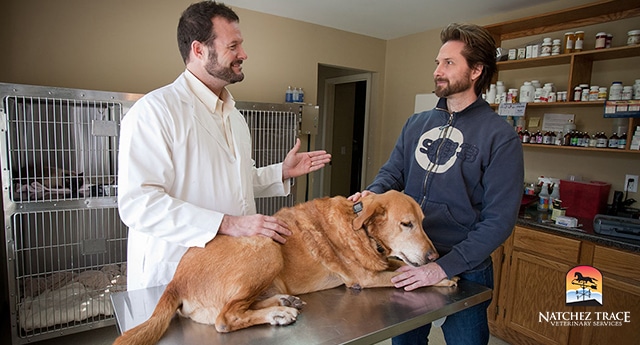 While pet vitamins and supplements can play a beneficial role in supporting your pet’s health, it’s crucial to exercise caution and maintain a balanced approach.
An excess of minerals or vitamins can pose potential risks to your pet’s well-being.
Always consult with your veterinarian before introducing any supplements, follow dosage recommendations carefully, and prioritize a complete and balanced diet for your pet. These can help you ensure the optimal health and longevity of your beloved furry companion.