

If your dog struggles with indigestion, excessive drooling, diarrhea, periodic vomiting, or has been diagnosed with inflammatory bowel disease (IBD), I often recommend looking at L-glutamine for dogs with IBD as part of an integrative digestive support plan.
L-glutamine is a simple over-the-counter supplement that may help support intestinal lining health and promote better gastrointestinal balance in some dogs with chronic digestive inflammation. While every patient is different, I’ve found that many dogs benefit when L-glutamine is combined with the right diet, probiotics, herbal support, and a treatment plan tailored to their individual needs.
What Is IBD in Dogs?

Inflammatory bowel disease, or IBD, is a chronic inflammatory condition affecting the digestive tract. In dogs with IBD, the lining of the stomach or intestines becomes irritated and inflamed over time, which can interfere with normal digestion, nutrient absorption, and overall gastrointestinal health. Many dogs with IBD experience symptoms such as vomiting, diarrhea, gas, indigestion, decreased appetite, weight loss, hypersalivation, or abdominal discomfort.
In my experience, many dogs struggle with IBD either periodically or chronically, and the underlying causes are often complex. Food sensitivities, immune system imbalance, chronic inflammation, stress, gut microbiome disruption, environmental triggers, parasites, and other health conditions may all contribute to ongoing digestive problems. Because every dog is different, I believe it is important to look beyond simply suppressing symptoms and instead work to identify factors that may be contributing to inflammation in the digestive tract.
Some dogs experience only mild flare-ups from time to time, while others can develop severe gastrointestinal inflammation that significantly affects their comfort, energy levels, weight, and quality of life. In more advanced cases, dogs may experience chronic pain, frequent vomiting or diarrhea, dehydration, poor nutrient absorption, and profound fatigue. Watching your dog struggle with chronic digestive discomfort can be heartbreaking for any pet parent.
When I approach IBD cases, I typically prefer an integrative plan that may include dietary therapy, probiotics, gut-supportive nutrients like L-glutamine, TCVM herbal formulas, stress reduction, and other natural therapies whenever appropriate. However, some dogs require additional medications or more advanced treatment depending on the severity of their condition. My goal is to create an individualized plan that helps reduce inflammation, support intestinal tract healing, and improve the dog’s overall quality of life.
Why L-Glutamine for Dogs with IBD May Be Helpful
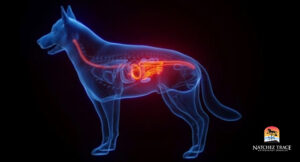
L-glutamine is an amino acid the body uses as a building block for proteins, but it also plays a very important role in maintaining the health of the gastrointestinal tract. In fact, the cells lining the intestines rely heavily on glutamine as a primary energy source. Because of that, I often consider L-glutamine for dogs with IBD as part of an integrative approach to supporting gut health and intestinal healing.
When chronic inflammation damages the intestinal lining, the digestive tract can become irritated, “leaky,” and less able to properly absorb nutrients. During active inflammation or intestinal cell injury, glutamine may support the repair and regeneration of damaged intestinal cells while also maintaining gut lining integrity. In simple terms, it helps nourish and support the cells that protect the digestive tract.
One reason I like L-glutamine for dogs with IBD is that it works to support the body rather than simply suppress symptoms alone. By helping support healthier intestinal tissue and normal gastrointestinal function, L-glutamine may help reduce digestive irritation and improve overall gut resilience in some dogs.
Introducing L-Glutamine Supplements for Your Dog

In my experience, many dogs dealing with chronic digestive inflammation, stress, illness, or recovery from other health challenges may benefit from additional gastrointestinal support. Glutamine demand within the body often increases during chronic inflammation, intestinal damage, physical stress, surgical recovery, infection, or poor nutrient absorption. Because dogs with IBD frequently have ongoing inflammation affecting the intestinal lining, I often consider L-glutamine for dogs with IBD as part of a broader integrative treatment plan.
The intestinal tract uses large amounts of glutamine to help maintain healthy digestive tissue. When inflammation or stress overwhelms the body’s normal repair processes, some dogs may not have enough glutamine available to fully support intestinal healing and recovery. Supporting the gut with additional L-glutamine may help nourish intestinal cells, promote healthier gut barrier function, and support overall digestive balance.
One reason many pet owners appreciate L-glutamine is that it is widely available as an over-the-counter supplement and is generally considered very safe when used appropriately and under veterinary guidance. However, I still recommend discussing any supplement with your veterinarian before starting therapy, especially in dogs with chronic medical conditions or those taking other medications. Proper dosing, quality of ingredients, and the overall treatment plan all matter when managing chronic IBD cases.
In many dogs, I find that L-glutamine works best when combined with other supportive therapies such as dietary changes, probiotics, digestive enzymes, omega-3 fatty acids, stress reduction, and TCVM herbal formulas designed to help reduce gastrointestinal inflammation and support long-term gut health naturally.
How to Use L-Glutamine Supplements for Dogs with IBD
There are many different L-glutamine supplements available for dogs today, but choosing the right product and using it correctly are both very important. Not all supplements are created equally, and the quality of ingredients, formulation, dosing, and additional inactive ingredients can all affect how well a dog tolerates a product. Because every dog with IBD is different, I always recommend discussing any new supplement with your veterinarian before starting it.
 There are many different L-glutamine supplements available for dogs today, but choosing the right product and using it correctly are both very important. Not all supplements are created equally, and the quality of ingredients, formulation, dosing, and additional inactive ingredients can all affect how well a dog tolerates a product. Because every dog with IBD is different, I always recommend discussing any new supplement with your veterinarian before starting it.
When selecting L-glutamine for dogs with IBD, I generally encourage clients to look for high-quality veterinary-formulated supplements from trusted manufacturers. Products bearing the NASC (National Animal Supplement Council) Quality Seal can provide additional peace of mind because they are manufactured under stricter quality control standards. Some formulations also include probiotics and prebiotics, which may further support intestinal balance and healthier digestive function by helping promote beneficial gut bacteria.
In many cases, L-glutamine works best when used consistently as part of a long-term digestive support plan. Unless I recommend otherwise for a specific patient, most dogs need daily supplementation to help support ongoing intestinal healing and gut health. Depending on the product and the individual dog, supplements may come in capsule, powder, chewable, or flavored formulations, making them easier to administer.

For dogs that are difficult to medicate, hiding capsules in a small amount of soft food or a favorite treat often works very well. Powdered supplements can also be especially helpful because they allow flexible dosing and are easy to mix into food. Some dogs tolerate powders better than tablets, particularly if they already have nausea or gastrointestinal sensitivity from IBD.
I also remind clients that supplements alone are rarely the complete answer for chronic inflammatory bowel disease. In my experience, the best results usually come from combining L-glutamine with an individualized integrative plan that may include dietary therapy, probiotics, stress reduction, omega-3 fatty acids, digestive support, and TCVM herbal formulas to reduce inflammation and support healing in the gastrointestinal tract.
L-Glutamine Dosage for Dogs with IBD
 The appropriate dosage of L-glutamine for dogs with IBD can vary based on the dog’s size, the severity of gastrointestinal inflammation, the specific product used, and the pet’s overall health. In many cases, a commonly recommended maintenance amount is approximately 1000 mg daily, although some dogs may require adjustments based on their response and veterinary guidance.
One reason I like L-glutamine is that it is generally considered very safe and well-tolerated in most dogs when used appropriately. However, I still recommend individualized dosing whenever possible, especially in dogs with chronic medical conditions, severe IBD, multiple medications, or complex digestive issues. More is not always better, and choosing the right dose for the individual patient is important.
One product I frequently recommend in practice is Pure Encapsulations L-Glutamine Powder because of its quality and simple ingredient profile. For many dogs, I commonly use approximately 1/3 teaspoon once daily mixed with food, although dosing may vary depending on the pet’s individual needs and body weight.
As with most integrative therapies, I find that L-glutamine works best when combined with a comprehensive digestive support plan rather than used alone.
Things to Remember
Whenever you add supplements to your dog’s routine, I strongly recommend working closely with a veterinarian who understands both digestive disease and integrative medicine. Every dog is different, and what works extremely well for one patient may not be the best fit for another. Dogs with IBD can have very different underlying causes, sensitivities, and responses to treatment, which is why individualized care is so important.

Although L-glutamine for dogs with IBD is generally considered very safe, it works best when it is part of a complete digestive support plan tailored to the individual pet.
And as I mentioned earlier, I often combine supplements like L-glutamine with dietary therapy, probiotics, TCVM herbal formulas, stress reduction, and other gut-supportive therapies to help reduce inflammation and support long-term intestinal healing naturally.
I also encourage clients to be patient during the healing process. Unlike medications that quickly suppress symptoms, nutritional and integrative therapies often work more gradually as the body begins to repair the intestinal lining and restore a healthier digestive balance. Some dogs improve within a couple of weeks, while others may need several weeks or longer before significant improvement becomes noticeable.
If your dog struggles with chronic digestive problems, vomiting, diarrhea, indigestion, or inflammatory bowel disease, an integrative consultation can help identify additional options to support healing and improve quality of life. At Natchez Trace Veterinary Services, I work closely with clients to develop individualized plans designed to support gut health naturally while also addressing each dog’s unique medical needs.
Schedule an Appointment or Consultation
Source
Rao, R. K. (2012). Role of glutamine in protection of intestinal epithelial tight junctions. Journal of Epithelial Biology & Pharmacology, 5(1), 47–54. https://doi.org/10.2174/1875044301205010047