
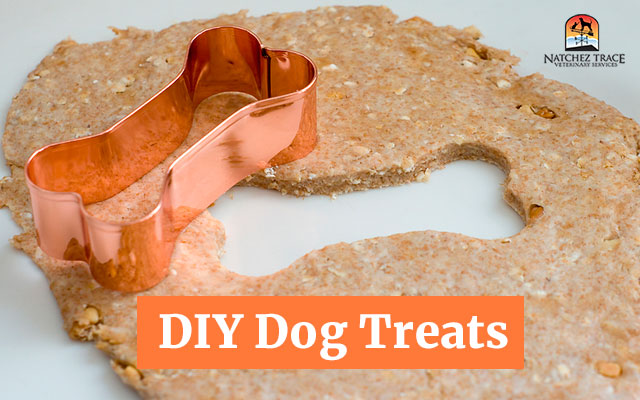
Want a fun and healthy way to spoil your dog? DIY dog treats are simple, safe, and budget-friendly. With just a few ingredients, you can create tasty snacks that keep tails wagging and give you peace of mind about what your pup is eating.
Before delving deep into the topic, watch this video:
Why Choose DIY Dog Treats?
Store-bought dog treats may look convenient, but many contain fillers, artificial preservatives, or even hidden sugars that aren’t great for your dog’s health. Over time, these extras can lead to weight gain, upset stomachs, or other issues you’d rather avoid.
That’s why Dr. Smith recommends DIY dog treats.
When you make DIY dog treats at home, you’re in control:
 Control every ingredient. You pick exactly what goes into each treat—fresh fruits, lean proteins, or dog-safe veggies—so you know your pup isn’t eating anything harmful.
- Keep snacks healthy and safe. Homemade recipes let you avoid unsafe ingredients like xylitol, excess salt, or artificial flavors. Plus, you can tailor recipes to your dog’s dietary needs.
- Save money and still spoil your pup. A bag of premium dog treats can get pricey. By using simple items you probably already have at home—like apples, oats, or peanut butter—you can whip up snacks that are just as tasty (if not better) for a fraction of the cost.
Dog-Safe Ingredients to Use
Not every food we enjoy is safe for dogs, so it’s important to know what works before making homemade treats. Luckily, there are plenty of healthy, dog-approved ingredients you can use. Here are some of the best:
- Apples (fresh or pureed, no seeds): Crunchy, full of fiber, and a good source of vitamins A and C. Just remember to remove the
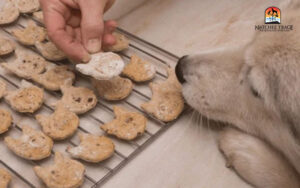 seeds and core, since they contain small amounts of cyanide and can be choking hazards.
 - Pumpkin puree: Great for digestion and gentle on sensitive stomachs. Make sure it’s plain pumpkin puree, not pumpkin pie filling (which usually has added sugar and spices).
- Oats: A simple, wholesome grain that adds texture and fiber. They’re easy to digest and a great alternative for dogs with wheat sensitivities.
- Sweet potatoes: Packed with vitamins and naturally sweet, they make a chewy, nutrient-rich base for treats. Bake or boil them before serving.
- Plain yogurt: Full of calcium and probiotics that support gut health. Choose unsweetened, plain varieties without artificial sweeteners.
- Peanut butter (xylitol-free): A classic dog favorite, rich in protein and healthy fats. Always double-check the label to ensure it doesn’t contain xylitol, which is toxic to dogs.
Ingredients to avoid: Some human foods are dangerous for dogs, even in small amounts. Skip chocolate, grapes, raisins, onions, garlic, and anything with xylitol (a common sugar substitute). These can cause serious health problems.
5 Powerful DIY Healthy Dog Treat Recipes
- Frozen Apple Bites
- How to make: Blend one or two apples (seeds and core removed). Pour the puree into ice cube trays. For extra flavor, sprinkle in a pinch of cinnamon or finely chopped basil.
- Why it’s good: Apples are high in fiber and vitamins. Freezing them makes a refreshing summer snack your pup can crunch on after playtime.
- Pumpkin and Oat Cookies
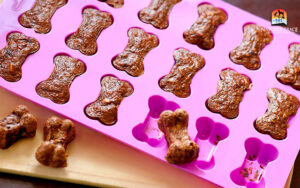
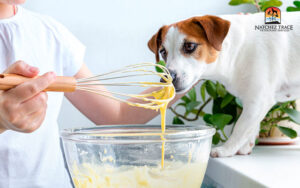 How to make: Mix 1 cup pumpkin puree with 2 cups rolled oats. Scoop spoonfuls onto a baking sheet and flatten into cookie shapes. Bake at 350°F (175°C) for about 20–25 minutes until firm.
- Why it’s good: Pumpkin is great for digestion, and oats add healthy fiber. These crunchy cookies are gentle on sensitive stomachs.
- Sweet Potato Chews
- How to make: Slice a sweet potato into thin strips or rounds. Place on a baking sheet and bake at 250°F (120°C) for 2–3 hours, flipping halfway, until chewy.
- Why it’s good: A natural alternative to rawhide, these chews are long-lasting, full of vitamins, and safe for most dogs to enjoy.
- Peanut Butter and Banana Drops
- How to make: Mash one ripe banana and mix with 2 tablespoons of xylitol-free peanut butter. Spoon small drops onto a tray lined with parchment paper. Freeze until solid.
- Why it’s good: Soft, bite-sized, and easy to eat, these are perfect as training treats. Plus, they’re loaded with potassium and protein.
- Yogurt and Berry Pops
- How to make: Mix 1 cup plain yogurt with a handful of fresh blueberries or strawberries. Spoon into ice cube trays or silicone molds. Freeze until solid.
- Why it’s good: These cool treats boost gut health with probiotics while giving your pup a burst of antioxidants from the berries.
All of these recipes use simple, safe ingredients you may already have in your kitchen. They’re budget-friendly, easy to prepare, and your dog will love the variety.
DIY Dog Training Treats
Training sessions work best when rewards are quick, tasty, and easy for your dog to eat. Large or crunchy snacks can slow things down and distract your pup. That’s why training treats should be small, soft, and low-calorie—so your dog stays focused on learning, not chewing.
Here are a few simple options to try:
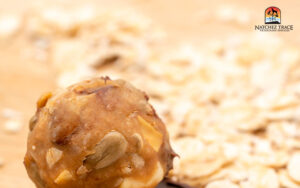 Tiny peanut butter and oat balls: Roll a mix of oats and xylitol-free peanut butter into pea-sized bites. These are soft, portable, and easy to hand out during training.
- Soft baked pumpkin cookies (cut into small squares): Bake pumpkin and oat cookies, then slice them into small, bite-sized pieces. Their soft texture makes them quick to chew, which is perfect for keeping training sessions moving.
- Frozen apple cubes (broken into bite-sized pieces): Freeze pureed apples in ice cube trays. Break the cubes into smaller chunks for a refreshing, low-calorie reward during warm weather.
Pro tip: Keep training treats small—about the size of a pea—so you can reward your dog often without overfeeding.
Tips for Making DIY Healthy Dog Treats
 Keep recipes simple with 2–4 ingredients. Dogs don’t need fancy or complicated recipes. In fact, fewer ingredients mean fewer chances of upsetting their stomachs. Stick with whole, dog-safe foods like fruits, veggies, oats, or plain yogurt.
- Store in the fridge for up to a week. Freeze extras for longer. Homemade treats don’t have preservatives like store-bought ones, so they won’t last as long on the counter. Keep small batches in the fridge and freeze any extras in airtight containers or freezer bags. This way, you’ll always have healthy treats ready to go.
- Test small portions first to check your dog’s digestion. Just like people, dogs can react differently to new foods. Start by giving your pup a small bite of any new treat. If there’s no sign of stomach upset—like gas, diarrhea, or vomiting—you can safely make it part of their snack rotation.
Bonus tip: Write the date on freezer bags so you know how long your treats have been stored. Most DIY dog treats last about 2–3 months when frozen.
Conclusion:
DIY dog treats are more than just snacks—they’re a fun way to bond with your pup and show a little extra love. When you make treats at home, you know exactly what’s going into them, so you can feel confident your dog is getting safe, wholesome ingredients.
 From refreshing frozen apple bites in the summer to chewy sweet potato strips or crunchy pumpkin cookies in the fall, homemade treats can fit every season and every occasion. Best of all, they’re budget-friendly, quick to make, and customizable to your dog’s taste and health needs.
At the end of the day, these simple DIY dog treat recipes aren’t just about food—they’re about creating healthy, happy, tail-wagging moments with your dog.
Want to know more about integrative options for your pet? You can reach out to us through our telemedicine consultation.
Frequently Asked Questions
How long do DIY dog treats last?
Most last about a week in the fridge. Freeze for up to 3 months.
Can I use regular flour in homemade dog treats?
Yes, but oat or rice flour is easier to digest and healthier.
Are DIY dog training treats good for weight control?
Yes, because you choose the ingredients, you can make small, low-calorie treats perfect for training.