
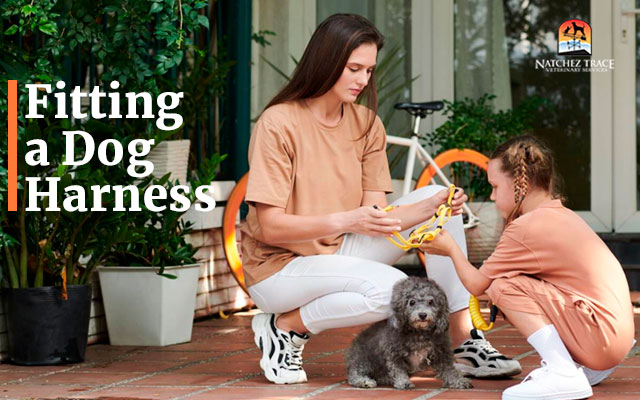
As a new pet parent, you may think fitting a dog harness is simple. After all, it’s just a harness, right? While finding one isn’t difficult, finding the right one for your dog is important.
A properly fitted harness helps keep your dog safe, comfortable, and secure during walks, training sessions, and everyday adventures. An ill-fitting harness, on the other hand, can cause rubbing, restrict movement, or even allow your dog to slip free.
One of the most common mistakes pet parents make is assuming all harnesses fit the same way. In reality, dogs come in all shapes and sizes, and harness styles vary widely. A harness that fits one dog perfectly may be completely unsuitable for another.
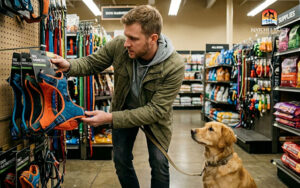
Before making a purchase, take a few minutes to measure your dog and understand how a harness should fit. Doing so can save you time, money, and frustration while ensuring your dog is comfortable and confident wearing their new gear.
To help you choose the right harness and avoid common fitting mistakes, follow the simple steps below.
How do you properly fit a dog harness?
The proper way to fit a dog harness starts with the right size and ends with careful adjustments. How do you do that? Let’s get into the 4 easy steps:
Step 1: Choose a comfortable design
The designs can be intimidating at first because they come in a variety of styles. Don’t be overwhelmed with the options. Think about your dog’s comfort and safety. The perfect fit dog harness for me allows a full range of motion. Y-shaped structure harnesses prioritize unrestricted shoulder movement and prevent chafing.
Step 2: Put the harness on correctly
Bring your dog with you when selecting and fitting a harness. It may sound obvious, but it’s one of the most common mistakes pet owners make. A harness that looks like it will fit may feel completely different once it’s on your dog.
Follow the manufacturer’s instructions for your specific harness design, making sure all straps are positioned correctly and that any buckles or clips are securely fastened. The harness should sit comfortably against your dog’s body without twisting, rubbing, or restricting natural movement.
Step 3: Adjust all straps

Once worn, the harness should sit snugly against your dog’s body. Remember to prioritize your dog’s comfort. Evaluate their reaction, then tighten or loosen accordingly.
Step 4: Check key areas
Check if the chest strap sits behind the front legs. The neck area must never press on the throat. Keep the harness tight enough so it stays centered on the body.
Step 5: Do a movement test
Lastly, allow your dog to pace around. Watch out for rubbing, slipping, or restricted movement.
How tight should a dog harness be?
The most crucial question is: “How tight should the harness be?” This is a key part of fitting a dog harness correctly.
If it’s too tight, it can restrict your dog’s movement and cause discomfort or pressure around the neck and chest. If it’s too loose, the harness may sag, shift, or even slip off completely, making walks less safe and harder to control.
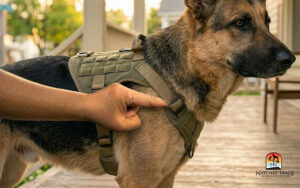
The two-finger rule
When you find yourself in doubt, slide two fingers between the harness and your dog’s body.
Signs it’s too tight
Look out for red marks or chafing after your walk. Due to movement restrictions, you’ll notice a subtle change in your dog’s gait. Lastly, check whether your dog is panting heavily or showing discomfort.
Signs it’s too loose
If the harness shifts from side to side, you should start tightening it. Your dog should not be able to back out of it under any circumstances. Lastly, a properly fitted harness should stay secure and in place without sagging, sliding, or hanging loosely.
What happens if a dog harness doesn’t fit properly?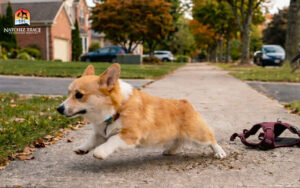
A poor fit can cause more than just discomfort and an awkward gait. The risk of injury increases significantly due to chafing, restricted movement, tripping, or falling.
And if that’s not enough, there’s the chance of escape. Dogs can easily slip out of loose harnesses when startled.
A tight fit can also lead to long-term health problems. Harnesses that are too tight can place excessive pressure on the wrong areas, causing potential injury and irritation.
How Do You Measure Your Dog for a Harness?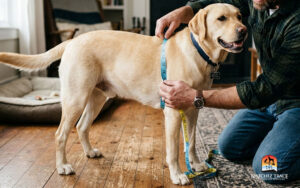
Before choosing a harness, take a few minutes to measure your dog accurately. Proper measurements are the foundation of a comfortable, secure fit and can help you avoid the frustration of purchasing a harness that doesn’t fit correctly.
Using a soft tape measure, measure your dog’s chest girth at the widest part of the rib cage, just behind the front legs. Then, measure around the base of the neck where the harness will rest.
While many harness manufacturers provide weight guidelines, weight alone does not guarantee a proper fit. Dogs of the same weight can have very different body shapes and proportions. For the best results, always rely on your dog’s actual measurements and compare them to the manufacturer’s sizing chart before making a purchase.
Taking accurate measurements before you shop can save time, prevent unnecessary returns, and help ensure your dog stays comfortable and secure in their new harness.
Brands come in different sizes. Make sure to check the manufacturer’s size guide.
Conclusion
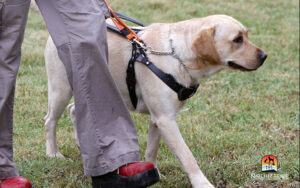 A properly fitted harness helps make every walk safer, more comfortable, and more enjoyable for both you and your dog. Taking the time to choose the right size and make the proper adjustments can help prevent discomfort, reduce the risk of escape, and give you greater control during walks and outings.
Fortunately, fitting a dog harness doesn’t have to be complicated. By measuring your dog, selecting the appropriate size, and performing a quick fit check, you can ensure your dog’s harness provides both comfort and security.
As you shop for a harness, remember that fit is just as important as style or brand. A well-fitted harness should allow your dog to move naturally while remaining snug enough to stay securely in place.
Looking for more pet care tips and expert advice? Explore our collection of pet health and wellness articles for trusted guidance on helping your pet live their healthiest life.
If you have questions about your pet’s health, behavior, mobility, or overall wellness, our veterinary team is here to help.
Frequently Asked Questions
How often should I check my dog’s harness fit?
Check it every few weeks, especially if your dog is growing or changing weight.
Can a dog wear a harness all day?
It’s best to remove it when not in use to prevent irritation or matting.
Is a harness better than a collar?
For most dogs, yes. Harnesses reduce neck strain and give better control during walks.