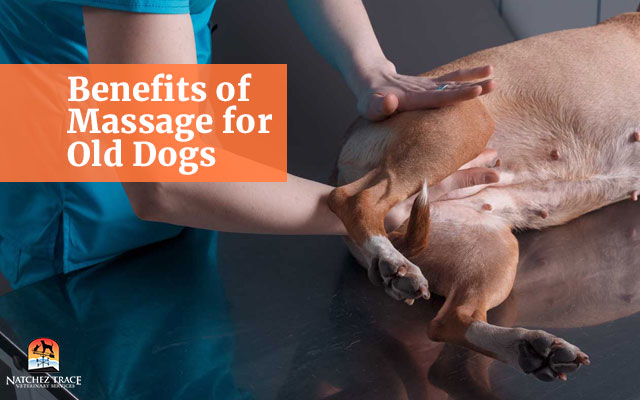
 As your dog ages, you may begin to notice subtle changes. Stiffness when getting up. Slower movement on walks. Less interest in jumping or playing. These are common signs of joint stress, muscle loss, and decreased circulation that naturally occur over time.
The good news is, there are simple, effective ways you can support your dog’s comfort at home.
One of the most overlooked tools is therapeutic massage.
When you use massage regularly, you help improve circulation, support lymphatic movement, and gently ease muscle tension. This can reduce discomfort, improve mobility, and help your dog stay more active and engaged. Research in both human and veterinary medicine shows that improved circulation and soft tissue support can play a meaningful role in maintaining mobility and comfort as the body ages.
From an integrative perspective, massage also helps move Qi and Blood, supporting balance in the body and allowing healing processes to function more effectively.
Whether your dog is dealing with arthritis, hip discomfort, or general age-related stiffness, massage offers a natural, low-risk way to support their quality of life. Many pet owners are surprised by how quickly their dog begins to relax, move more easily, and even seek out that connection.
However, not all massage techniques are the same.
The way you touch, the pressure you use, and the areas you focus on can all make a meaningful difference in how your dog responds.
Let’s explore the most effective massage techniques to help your dog feel better, move more easily, and continue to thrive.
Why Massage Matters for Older Dogs
As your dog ages, you may begin to notice changes in how they move and feel. Stiff joints, gradual muscle loss, and decreased mobility can all begin to impact your dog’s daily comfort and quality of life.
Massage is not just about relaxation. It is a simple, therapeutic tool you can use to support your dog’s health actively.
When you use massage consistently, you help improve circulation, support muscle function, and reduce tension that contributes to discomfort. From an integrative perspective, massage also helps promote the smooth flow of Qi and Blood, which plays an important role in maintaining balance and mobility in the body.
Over time, this gentle support can help your dog move more comfortably, stay more active, and enjoy a better quality of life.
1. Eases Joint and Muscle Pain
When your dog develops tight muscles and joint stiffness, even simple movements can become uncomfortable. Massage is a gentle, effective way you can help.
Regular massage helps loosen tight muscles, reduce stiffness, and improve overall comfort. This is especially helpful for dogs dealing with arthritis or age-related joint changes.
Massage also supports circulation to the muscles and joints, which helps deliver nutrients and remove waste products that can contribute to inflammation and discomfort. From an integrative perspective, this also helps keep Qi and Blood flowing smoothly, supporting mobility and balance in the body.
Over time, regular massage can improve flexibility, allowing your dog to move with greater ease, less resistance, and more confidence.
2. Improves Circulation
When you gently massage your dog, you naturally stimulate blood flow throughout the body. This helps deliver oxygen and essential nutrients to muscles and joints that need support.
Improved circulation plays an important role in healing. It helps your dog recover more efficiently from minor injuries and supports the body’s ability to manage ongoing discomfort.
From an integrative perspective, this also helps keep Qi and Blood moving properly, which is essential for maintaining comfort, mobility, and overall balance.
Over time, regular massage can help your dog feel more comfortable, move more freely, and stay more active.
3. Supports Mobility and Strength
As your dog ages, maintaining muscle strength becomes just as important as supporting the joints. When muscles begin to weaken or tighten, movement becomes more difficult and less comfortable.
By using massage regularly, you help keep your dog’s muscles flexible, engaged, and supported. This not only helps maintain muscle tone but also slows the physical decline that can come with aging.
Massage also improves communication between the muscles and the nervous system, supporting better coordination and overall movement.
From an integrative perspective, keeping Qi and Blood moving through the muscles helps maintain strength, balance, and stability.
Over time, this added support helps your dog stay active, move with more confidence, and remain comfortable in their daily life.
Now, let’s look at some simple massage techniques you can use at home to help your dog feel their best.
How to Massage an Old Dog
You don’t need special training to start helping your dog feel better. In fact, one of the most powerful tools you have is your own touch.
Giving your senior dog a massage is simple. All it requires is a gentle approach, a calm environment, and a little patience.
When you take your time and stay present, your dog will often guide you by showing what feels good and where they need support.
This kind of connection not only helps relax the body but also supports the nervous system and encourages healing.
Follow these simple steps to safely and effectively massage your dog at home.
1.  Create a Calm Space
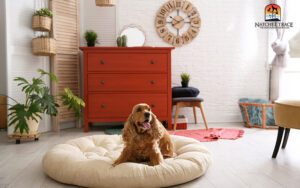
Before you begin, take a moment to create a calm, comfortable space for your dog. The environment plays an important role in how your dog responds to touch.
Choose a quiet area where your dog feels safe and relaxed. A soft blanket or their favorite bed can help them settle in more easily.
When your dog feels secure, their body is more open to relaxation and healing. This allows the massage to be more effective and more enjoyable for both of you.
2. Use Gentle, Slow Movements
Always begin with a light touch and pay close attention to how your dog responds. This helps you understand what feels comfortable and where your dog may be holding tension.
Use slow, gentle, circular motions to help relax the muscles and encourage circulation. When you move at a calm, steady pace, your dog’s body is more likely to release tension and settle into the experience.
Over time, this gentle approach helps improve comfort, support mobility, and promote relaxation throughout the body.
3. Focus on Key Areas
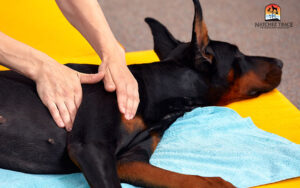
When you massage your senior dog, focus on the areas that tend to hold the most tension. These often include the joints, hips, shoulders, and along the spine.
By gently working through these areas, you can help reduce stiffness, improve comfort, and support better mobility. Take your time and watch how your dog responds. If your dog relaxes and seems to enjoy it, you can gradually increase the pressure and length of the session.
Massage may feel simple, but it is a powerful way to support your dog’s comfort, movement, and overall quality of life.
Next, let’s explore a few specific massage techniques you can use to provide even greater support for your aging dog.
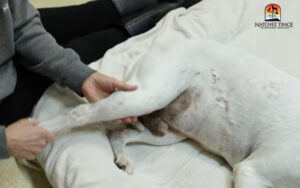 Dou Fa Pet Massage and Its Benefits
Dou Fa is a gentle, rhythmic massage technique that helps calm both the body and the mind.
When you use this technique with your dog, the consistent, soothing motion helps relax the nervous system, reduce stress, and release tension held in the muscles.
From an integrative perspective, Dou Fa also promotes the smooth flow of Qi, supporting overall balance and well-being.
This makes it an excellent technique for senior dogs experiencing discomfort, anxiety, or restlessness, while also supporting their overall quality of life.
1. Reduces Stress and Anxiety
Gentle, repetitive massage movements can have a powerful effect on your dog’s nervous system.
As you use these steady, soothing motions, you help signal to the body that it should relax, which can be especially helpful if your dog experiences anxiety, restlessness, or tension.
From an integrative perspective, this type of touch helps calm the Shen (spirit), while also supporting the smooth flow of Qi throughout the body.
Over time, regular massage can help your dog feel more settled, balanced, and at ease, both physically and emotionally.
2. Encourages Better Sleep
When your dog’s body is truly relaxed, it becomes much easier for them to settle into deeper, more restorative sleep.
This is especially important as your dog ages. Quality sleep supports healing, helps maintain mobility, and allows the body to recover more effectively.
From an integrative perspective, restful sleep also helps restore balance within the body, supporting both physical comfort and emotional well-being.
Over time, improving your dog’s ability to relax and rest can make a meaningful difference in how they feel each day.
3. Strengthens the Human-Animal Bond
Massage creates a quiet moment of connection between you and your dog. Your touch becomes a powerful way to communicate comfort, safety, and reassurance.
As you spend this focused time together, you naturally build trust and deepen your bond. Many dogs begin to seek out these moments because they feel both physically and emotionally supported.
From an integrative perspective, this kind of calm, intentional touch helps settle the nervous system and supports overall balance in the body.
When used regularly, massage can become a simple part of your dog’s daily routine, helping them stay comfortable, relaxed, and happy.
Watch this video of Dou Fa pet massage:
Next, let’s explore Ba Sheng Fa massage, a method focused on muscle strength and mobility.
Ba Sheng Fa Pet Massage and Its Benefits
If your dog has always been active, supporting their strength and mobility becomes even more important as they age.
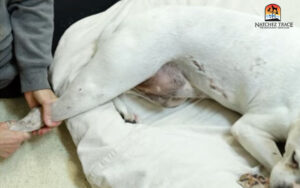
Ba Sheng Fa is a more targeted massage technique you can use to help your senior dog stay strong, flexible, and engaged. By working more directly with the muscles and soft tissues, this technique helps maintain muscle tone and supports healthy movement.
From an integrative perspective, Ba Sheng Fa helps stimulate Qi and Blood flow through the muscles, which supports strength, coordination, and overall vitality.
When used regularly, this technique can help your dog remain active, move with more confidence, and maintain a better quality of life as they age.
 1. Builds Muscle Strength
As your dog ages, it’s very common to see a gradual loss of muscle strength. This can make everyday movements more difficult and may impact balance and stability.
Ba Sheng Fa uses gentle resistance to safely and under controlled conditions engage the muscles. By gently working against your dog’s natural movement, you can help maintain (and, in some cases, rebuild) muscle strength over time.
This type of stimulation supports muscle circulation and encourages the body to stay active and responsive. From an integrative perspective, it also helps keep Qi and Blood moving through the muscles, which is essential for strength and mobility.
With regular use, this technique can help your dog stay stronger, more stable, and more confident in their movement
2. Enhances Hip and Joint Stability
If your dog is dealing with hip dysplasia or arthritis, Ba Sheng Fa can be a helpful way to support their comfort and mobility.
By gently engaging the muscles around the joints, this technique helps improve movement, reduce stiffness, and ease discomfort. It also supports circulation to the area, which can help nourish the joints and surrounding tissues.
From an integrative perspective, Ba Sheng Fa helps keep Qi and Blood moving through the hips and joints, which plays an important role in maintaining flexibility and reducing pain.
With consistent use, many dogs begin to move more comfortably and show greater ease in their daily activities.
3. Easy to Do at Home
Ba Sheng Fa is a simple technique you can easily incorporate into your dog’s daily routine at home.
When used consistently, it provides a practical way to support your dog’s strength, mobility, and overall comfort as they age. Even a few minutes each day can make a meaningful difference.
From an integrative perspective, regular use helps keep Qi and Blood moving through the muscles and joints, which supports ongoing movement and stability.
Over time, this gentle, hands-on approach can help your dog stay mobile, comfortable, and more engaged in their daily life.
Here’s how to do Ba Sheng Fa pet massage at home:
Next, let’s go over what to expect when incorporating massage into your dog’s care.
When to Consider Massage for Old Dogs
Not sure if massage is right for your dog? You’re not alone in wondering that.
As your dog ages, both physical and emotional changes naturally begin to occur. You may notice stiffness, decreased activity, or even subtle shifts in mood or behavior.
Massage is a gentle, low-risk way you can support your dog through these changes. It helps promote relaxation, improve comfort, and support overall balance in the body.
In many cases, your dog will clearly show you they benefit from this type of care.
Below are a few signs your dog may respond well to massage.
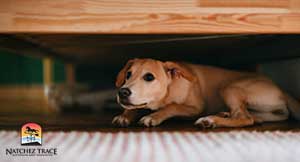 If Your Dog Has Arthritis or Joint Pain
If your dog is dealing with arthritis or joint discomfort, gentle massage can be a simple and effective way to provide support.
By using light, steady pressure, you help reduce stiffness, improve circulation, and ease tension around the joints. This can make everyday movement more comfortable for your dog.
From an integrative perspective, massage helps keep Qi and Blood flowing through the joints, supporting flexibility, comfort, and overall mobility.
With regular use, many dogs begin to move more easily and show noticeable improvement in their comfort level.
If Your Dog Is Slowing Down
If your dog is starting to slow down, massage can be a simple way to provide support.
As muscles and joints age, they often become tighter and less flexible. Regular massage helps keep these tissues loose, supported, and more responsive.
By improving circulation and reducing tension, you help your dog move more comfortably and stay more active.
From an integrative perspective, this also helps maintain the smooth flow of Qi and Blood, which supports mobility and overall vitality.
With consistent use, many dogs regain ease in their movement and show more interest in daily activity.
If Your Dog Seems Anxious or Restless
If your dog seems anxious or restless, massage can be a gentle way to help them settle.
Slow, soothing touch helps calm the nervous system and signals the body that it is safe to relax. Many dogs respond quickly by softening, slowing their breathing, and becoming more at ease.
From an integrative perspective, this type of touch helps settle the Shen (spirit) and supports emotional balance.
If you notice these signs in your dog, adding massage to their routine can provide meaningful relief and support a calmer, more comfortable state of being.
Conclusion: A Simple Way to Improve Your Dog’s Golden Years
As your dog enters their senior years, you may begin to notice changes that affect their comfort, mobility, and overall quality of life.
While aging brings natural challenges, there are simple, effective ways you can support your dog through this stage.
One of the most powerful tools is something you can do right at home: massage.
With a gentle, consistent approach, massage can help ease stiffness, support circulation, and improve your dog’s comfort as they age. From an integrative perspective, it also helps maintain balance in the body, allowing your dog to feel more relaxed, mobile, and at ease.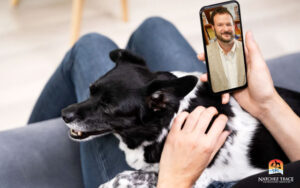
Caring for your aging dog doesn’t have to be complicated. In many cases, small, consistent actions can make a meaningful difference.
Massage is one of the simplest and most effective ways you can support your dog’s comfort, mobility, and overall well-being. With regular use, it can help ease discomfort, improve movement, and strengthen the bond you share.
By incorporating techniques such as Dou Fa for relaxation and Ba Sheng Fa for muscle support (both rooted in Tui na), you provide your dog with targeted support for both the nervous and musculoskeletal systems.
Over time, these techniques can help your dog feel more comfortable, stay more active, and enjoy a better quality of life.
If you would like guidance on how to use massage as part of your dog’s care plan, our team is here to help. You can easily schedule an in-clinic or telemedicine consultation.
Frequently Asked Questions
How often should I massage my old dog?
Most dogs benefit from a few short sessions per week. If your dog has arthritis or mobility issues, daily massages may help.
Can I use massage along with other treatments?
Yes! Massage complements vet-recommended treatments such as physical therapy, acupuncture, and medications.
How do I know if my dog enjoys the massage?
If your dog relaxes, sighs, or leans into your touch, they’re enjoying it. If they pull away or seem uncomfortable, ease up on the pressure or try another area.
Sources:
- Maintaining and restoring mobility in middle and old age: the importance of the soft tissues. (1997). PubMed. https://pubmed.ncbi.nlm.nih.gov/9143988/
- Pritchard, S. (2010). Tui na: A Manual of Chinese Massage Therapy. https://openlibrary.org/books/OL29264603M/Tui_Na