
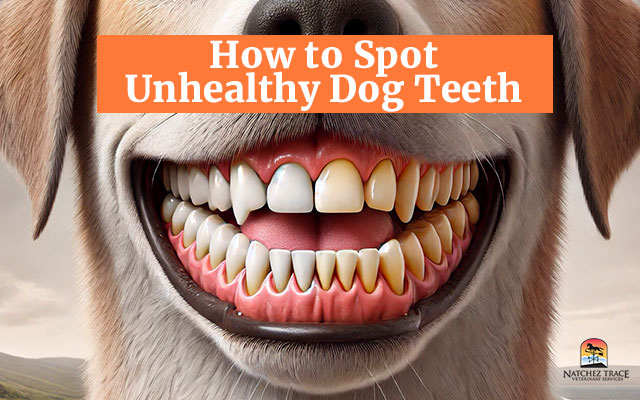
 Is your dog’s dental health at risk? Learn the signs of unhealthy dog teeth and how to keep your dog’s smile healthy with easy tips.
Your dog’s teeth do more than just chew food. They play a huge role in overall health. But like humans, dogs can have dental issues that go unnoticed until they become serious.
From bad breath to swollen gums, there are many signs of unhealthy dog teeth that are easy to miss. In this article, we’ll cover what to look for, how often your dog needs a cleaning, and the best products to keep their teeth healthy.
Let’s make sure your dog’s smile stays bright and pain-free!
What Do Unhealthy Dog Teeth Look Like?
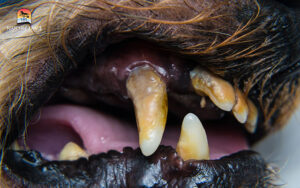 It’s essential to recognize the signs of unhealthy dog teeth early. Dental issues can lead to pain, infection, or even more serious health problems if left untreated.
Here are some common signs that may indicate it’s time for a dental check-up:
- Yellow or brown plaque: This buildup on teeth can harden into tartar if left untreated.
- Swollen or red gums: These are signs of gingivitis, which can cause pain and bleeding.
- Bad breath: A strong, foul odor may indicate infection or tooth decay.
- Avoiding hard food or toys: This could be due to dental pain or discomfort.
- Chewing on one side of the mouth: A possible sign your dog is trying to avoid pain.
If you notice any of these symptoms for unhealthy dog teeth, it’s time to book a dog dental check-up with your vet to prevent bigger health issues.
How Often Should Dogs Get Dental Cleaning?
 Veterinarians typically recommend that dogs get a professional dental cleaning once a year. This helps remove plaque and tartar that can’t be addressed with regular home care.
However, some breeds, especially those with smaller mouths like Chihuahuas or toy breeds, may need more frequent cleanings.
These breeds often have crowded teeth, making it easier for plaque to build up in hard-to-reach areas. Dogs prone to dental disease, like Greyhounds or Dachshunds, may also require more frequent visits.
In between cleanings, it’s important to maintain your dog’s dental health at home. Here are a few steps you can take to help:
- Brush your dog’s teeth regularly using dog-friendly toothpaste. This helps prevent plaque buildup.
- Use dental treats or chews designed to reduce plaque and tartar while freshening breath.
- Provide toys designed for dental health to help clean your dog’s teeth during playtime.
With consistent care, you may be able to extend the time between professional cleanings, saving both your dog from discomfort and yourself from extra vet visits.
How Long Does a Dog Teeth Cleaning Take?
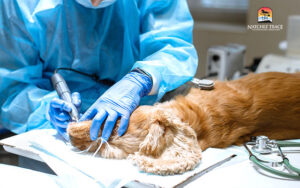 A routine dog dental cleaning typically takes about 45 minutes to an hour. Your dog will need to be sedated for dental treatment. During this time, your vet will carefully remove plaque and tartar from your dog’s teeth, polish them, and inspect for any signs of disease.
However, the exact time can vary depending on your dog’s dental health. The procedure could take longer if your dog has significant plaque buildup or requires extractions due to damaged teeth. Advanced dental issues might sometimes add another 30 minutes to an hour.
Before the cleaning, your vet will likely conduct an initial exam and take dental X-rays to assess your dog’s teeth.
This helps them plan the procedure and give you an estimate of how long it will take. The vet will also discuss any additional treatments your dog may need, such as tooth extractions or antibiotics for infections, so you know what to expect.
Most dogs typically wake up from a dental cleaning within 5–15 minutes after the anesthesia is turned off. However, it can take 12–48 hours for a dog to recover from sedation or anesthesia fully.
If you’re considering having your dog’s dental health checked, contact our vet now.
Final Thoughts on Your Dog’s Dental Health
 Maintaining your dog’s dental health is more than just keeping their teeth clean—it’s crucial for their overall well-being. Poor dental hygiene can lead to serious health problems like infections, tooth loss, and even heart, liver, or kidney disease if bacteria from the mouth enter the bloodstream.
By being proactive with regular check-ups, you can catch issues early before they become severe and more costly to treat.
Simple steps can make a big difference, such as using the right dog-friendly toothpaste and giving your dog dental chews regularly.
These chews help remove plaque and freshen breath, making keeping your dog’s mouth healthy between vet visits easy. Starting a dental care routine before you notice discomfort, such as difficulty chewing or bad breath, is much easier and less stressful for your dog.
Consistency is the key to keeping your dog’s teeth in top shape. Don’t wait for problems to arise—start caring for their teeth today, and you’ll help prevent bigger health issues.
Schedule a Dental Cleaning at Natchez Trace Veterinary Services
Frequently Asked Questions
How can I tell if my dog’s teeth are in good health?
You can check your dog’s dental health by looking for clear signs of trouble. Healthy teeth should be clean and white, and gums should be pink and firm, not red or swollen. Your dog’s breath should be relatively fresh, and they should be able to chew food comfortably. If you notice any changes like bad breath, yellow or brown tartar, or signs of pain, it’s time to consult your vet.
Can I use human toothpaste for my dog’s teeth?
No, you should not use human toothpaste for your dog’s teeth. Human toothpaste contains fluoride and other ingredients that can be harmful if swallowed by dogs. Instead, use toothpaste specifically designed for dogs, which is safe to swallow and comes in flavors that dogs enjoy, such as chicken or beef.
Are there any natural remedies for maintaining my dog’s dental health?
While regular brushing and professional cleanings are the most effective ways to maintain dental health, some natural remedies can help. Adding crunchy vegetables like carrots to your dog’s diet can help clean their teeth naturally. Also, certain herbs, like parsley, can help freshen breath. However, these should complement—not replace—regular dental care and professional check-ups.