
 Arthritis in dogs is a chronic inflammatory condition that affects the joints and can gradually make normal daily activities more difficult and uncomfortable for your companion.
Many dogs first show subtle changes, such as stiffness after resting, hesitation when standing up, slowing down on walks, limping, or avoiding stairs, jumping, and playtime. Because arthritis develops slowly, many families do not realize how much discomfort their dog is experiencing until mobility becomes noticeably limited.
When managing chronic arthritis, my first approach is usually to support the body as naturally as possible. Depending on the individual pet, I often begin with nutrition changes, weight management, controlled exercise, rehabilitation therapies, acupuncture, and Traditional Chinese Veterinary Medicine (TCVM) herbal formulas to help reduce inflammation and improve comfort naturally.
Many dogs respond amazingly well to an integrative plan designed specifically for their needs. However, every patient is different, and sometimes natural therapies alone are not enough to fully control pain and inflammation. My goal is always to recommend what will work best for each pet’s unique situation so they can stay comfortable, active, and enjoy the highest quality of life possible.
4 Facts About Dog Arthritis
Many pet owners are surprised to discover how common arthritis has become in dogs. Arthritis is much more than “slowing down with age.” Arthritis is a chronic inflammatory condition that can quietly affect comfort, mobility, energy levels, and overall quality of life.
Here are a few important facts every dog owner should know:
- Arthritis is the #1 cause of chronic pain in dogs.
- About 20% of dogs over one year of age are affected by arthritis.
- Arthritis can affect both the quality of life and lifespan.
- Arthritis is consistently one of the top veterinary diagnoses in dogs over seven years old.
In fact, findings from the Dog Aging Project identified osteoarthritis as one of the most commonly reported medical conditions among the 25 most popular dog breeds in the United States, appearing in the top 10 health conditions in 15 of the 25 breeds studied.
Unfortunately, arthritis pain in dogs is often overlooked because symptoms usually develop gradually. Many families assume their dog is “just getting older” when, in reality, chronic inflammation and discomfort may be limiting their ability to move comfortably and enjoy life fully.
One statement I often share with clients comes from Clinician’s Brief (April 2005):
“Arthritis is the #1 cause of chronic pain in dogs.”

I see situations like this regularly in my practice. For example, I recently examined an 11-year-old Bulldog named Buster. Just one year earlier, his family described him as playful, energetic, and acting like a puppy. Now, he limps, struggles to get comfortable, rests much more often, and no longer wants to participate in activities he once loved.
Buster’s quality of life changed gradually, so his symptoms were easy to miss at first. Dogs rarely cry out or complain the way humans do. Instead, they communicate through changes in behavior, posture, movement, and activity levels. Once families become aware of those subtle signs, they often realize their dog has been struggling with discomfort much longer than expected.
Signs of Arthritis Pain in Dogs
Some signs of arthritis pain in dogs can be very obvious, while others are easy to miss in the early stages. Many dogs simply become less active or slowly change their normal habits over time. Because dogs naturally try to hide discomfort, families often do not realize how much pain their companion may be experiencing.
Common Signs of arthritis in dogs include:
 Reluctance to walk, run, climb stairs, jump, or play
- Difficulty getting up after resting
- Limping or favoring a leg
Stiffness, especially after sleep or inactivity - Yelping, whining, or sensitivity to touch
- Personality changes or withdrawal from family activities
- Slowing down or lagging on walks
- Decreased mobility or endurance
- Irritability or aggressive behavior due to pain
If your dog is showing one or more of these signs, I recommend scheduling an examination before the symptoms worsen. During your appointment, I’ll assess joint mobility, inflammation, muscle loss, posture, and overall comfort to better understand what your dog is experiencing.
When possible, I prefer to begin with natural and integrative approaches for chronic arthritis management. Dietary therapy, weight control, targeted exercise, rehabilitation therapies, acupuncture, supplements, and TCVM herbal formulas can often help reduce inflammation and improve mobility naturally. Many dogs experience significant improvement with an individualized integrative plan.
However, some pets need additional support beyond natural therapies alone. In those situations, medications can be extremely helpful and sometimes necessary for controlling pain, reducing inflammation, and maintaining a good quality of life. My goal is always to choose the safest and most effective combination of therapies for each individual pet so they can stay comfortable, active, and happy for as long as possible.
4 Meds That Wipe Out Dog Arthritis Pain
As I mentioned earlier, I usually prefer to start with the most natural approach possible. However, I also want clients to understand that sometimes natural therapies alone simply are not enough. Some dogs continue to struggle with pain, stiffness, and reduced mobility despite our best efforts. When that happens, medications can make a tremendous difference in comfort and quality of life.
My goal is never to simply “cover up symptoms.” My goal is to choose the safest and most effective combination of therapies for each dog so they can move more comfortably, stay active, and continue enjoying life with their family.
The following medications are commonly used to help dogs with arthritis feel more like themselves again, often allowing them to walk more easily, play more comfortably, and enjoy daily activities with less pain.
Because these medications are pharmaceuticals, regular monitoring is very important for your dog’s safety and long-term health. While many arthritis medications can provide amazing relief and greatly improve the quality of life, they can also affect organs such as the liver, kidneys, stomach, or intestines in some pets.
For that reason, I recommend routine examinations and periodic lab testing to help us monitor for possible side effects before they become serious problems. Careful monitoring allows us to adjust treatment when needed and helps ensure your dog receives the safest and most effective arthritis care possible.
1. Previcox
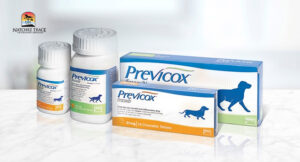
Previcox (firocoxib) is a prescription non-steroidal anti-inflammatory drug (NSAID) commonly used to help control pain and inflammation associated with osteoarthritis in dogs. Many dogs experience significant improvements in comfort, mobility, and overall quality of life while taking Previcox, especially when arthritis pain limits their ability to walk, play, climb stairs, or enjoy normal daily activities. One advantage of Previcox is its convenient once-daily dosing, with effects that typically last about 24 hours. In my practice, medications like Previcox are often used as part of a larger integrative arthritis plan.
However, Previcox is not appropriate for every dog. It should not be used in dogs with known sensitivity to firocoxib or other NSAIDs, and dosing can be difficult in dogs under seven pounds. I also use caution in dogs that are dehydrated or have underlying kidney, liver, gastrointestinal, or cardiovascular disease.
Dogs receiving diuretics, steroids, or certain other medications may also require additional monitoring because combining medications can increase the risk of side effects.
Potential side effects may include:
- Vomiting
- Diarrhea
- Decreased appetite
- Lethargy
- Stomach irritation or ulcers
- Increased thirst or urination
- Behavioral changes
- Rare liver or kidney complications
Because NSAIDs affect inflammatory pathways in the body, regular monitoring is extremely important, especially with long-term use. I recommend periodic examinations and lab work to help ensure the medication remains both safe and effective for your individual dog. If you notice vomiting, black stools, loss of appetite, weakness, or sudden behavioral changes while your dog is taking Previcox, contact your veterinarian promptly.
2. Rimadyl
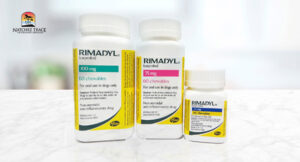
Rimadyl (carprofen) is one of the most commonly prescribed non-steroidal anti-inflammatory drugs (NSAIDs) used in veterinary medicine to help manage pain and inflammation in dogs. It is frequently used for osteoarthritis, hip dysplasia, chronic joint pain, and recovery after surgery or orthopedic procedures. Many dogs become noticeably more comfortable, active, and willing to move after starting Rimadyl, especially when chronic inflammation limits their mobility and decreases their quality of life. In my practice, I often view medications like Rimadyl as one piece of a larger arthritis management plan.
Rimadyl should not be used in dogs with known sensitivity to carprofen or other NSAIDs. I also use caution in dogs with pre-existing liver disease, kidney disease, gastrointestinal issues, bleeding disorders, or dehydration. Because NSAIDs are processed through the body’s major organ systems, careful patient selection and monitoring are very important.
Potential side effects may include:
- Decreased appetite
- Vomiting or diarrhea
- Increased thirst or urination
- Lethargy or weakness
- Behavioral changes
- Poor coordination
- Black stools or signs of gastrointestinal bleeding
- Yellowing of the gums, skin, or eyes
- Rare liver, kidney, or neurologic complications
Most dogs tolerate Rimadyl very well when it is prescribed appropriately and monitored. Before starting therapy, I typically recommend baseline bloodwork, followed by periodic monitoring during long-term use to help ensure the medication remains safe for the individual pet. I also encourage families to contact their veterinarian promptly if they notice any changes in appetite, vomiting, diarrhea, lethargy, jaundice, or unusual behavior while their dog is taking the medication.
3. Novox
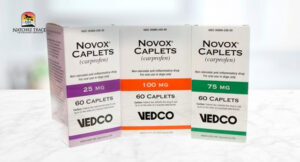
Novox is another brand name for carprofen, the same active ingredient found in Rimadyl. It is a non-steroidal anti-inflammatory drug (NSAID) commonly prescribed to help manage pain and inflammation associated with osteoarthritis, hip dysplasia, chronic joint disease, and post-surgical recovery in dogs. By reducing joint inflammation, Novox may improve comfort, mobility, and overall quality of life for dogs with chronic arthritis pain.
Because Novox contains carprofen, it should not be used in dogs with known sensitivity to carprofen or other NSAIDs. I also use caution in dogs with liver disease, kidney disease, gastrointestinal problems, dehydration, bleeding disorders, or in pets taking steroids or certain other medications.
Potential side effects may include:
- Decreased appetite
- Vomiting or diarrhea
- Increased thirst or urination
- Lethargy or weakness
- Behavioral changes
- Poor coordination
- Pale gums associated with anemia
- Yellowing of the gums, eyes, or skin
- Rare neurologic, liver, kidney, or gastrointestinal complications
Most dogs tolerate Novox well when the medication is properly prescribed and carefully monitored. Before starting long-term therapy, I generally recommend baseline bloodwork and periodic follow-up lab testing to help monitor organ function and reduce the risk of complications. I also encourage clients to contact their veterinarian promptly if they notice vomiting, black stools, loss of appetite, jaundice, unusual behavior, or any sudden changes while their dog is taking the medication.
4. Deramaxx
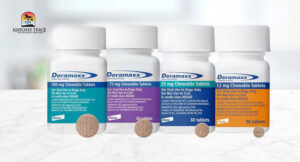 Deramaxx (deracoxib) is a prescription non-steroidal anti-inflammatory drug (NSAID) in the coxib class that is commonly used to help manage pain and inflammation associated with osteoarthritis and joint disease in dogs. It is also frequently prescribed after surgery to help control pain and improve recovery. For many dogs struggling with chronic arthritis, Deramaxx can significantly improve comfort, mobility, and overall quality of life, helping them stay more active and engaged in daily activities.
Although Deramaxx can be very effective, I use it carefully and only after evaluating the individual pet’s overall health. I avoid or use extreme caution in dogs with gastrointestinal ulcers, liver disease, kidney disease, dehydration, cardiovascular disease, or a history of sensitivity to deracoxib or other NSAIDs. Senior dogs and pets taking additional medications may also require closer monitoring.
Potential side effects may include:
- Vomiting or diarrhea
- Decreased appetite
- Lethargy or weakness
- Increased thirst or urination
- Stomach irritation or ulcers
- Black or tarry stools
- Behavioral changes
- Rare liver, kidney, or gastrointestinal complications
Before starting long-term NSAID therapy, I generally recommend baseline bloodwork and regular follow-up monitoring to help ensure the medication remains safe for your dog. Many pets tolerate Deramaxx very well when appropriately prescribed and monitored, but early detection of side effects is extremely important. If you notice vomiting, loss of appetite, black stools, jaundice, weakness, or unusual behavior changes while your dog is taking Deramaxx, you should contact your veterinarian promptly.
Looking for a Natural Alternative?
For many dogs with arthritis, my first goal is to help reduce inflammation and improve mobility as naturally as possible before relying heavily on long-term pharmaceutical medications.
While NSAIDs can be very effective and absolutely have an important place in veterinary medicine, some pets either cannot tolerate them well or may benefit from additional integrative support. In those situations, I often incorporate supplements, dietary therapy, acupuncture, rehabilitation therapies, and TCVM herbal formulas to help support joint health and comfort naturally.
PET | TAO Comfort
One product I frequently recommend is PET | TAO Comfort, a natural joint support supplement designed to help alleviate aches and discomfort associated with normal daily activity and exercise.
Comfort contains a blend of ingredients that work together to help support healthy inflammatory pathways, joint mobility, connective tissue health, and overall comfort. Key ingredients include Boswellia serrata, MSM, yucca, ginger, meadowsweet, licorice, and manganese ascorbate.
From an integrative perspective, I like that many of these ingredients support the body in multiple ways beyond simply blocking pain signals. Boswellia and yucca help support a healthy inflammatory response, while MSM supports connective tissue and joint function. Ginger may help improve circulation and mobility, and meadowsweet has traditionally been used to help soothe occasional stiffness and discomfort. Rather than simply masking symptoms, products like Comfort are designed to help support the body’s natural ability to maintain healthier joint function over time.
Another reason I frequently recommend PET | TAO Comfort is that it can often be used alongside other therapies as part of a comprehensive arthritis plan. Some dogs do very well when using Comfort alongside weight management, acupuncture, physical rehabilitation, omega-3 fatty acids, and TCVM herbal support.
In more advanced cases of arthritis, I may combine natural therapies with prescription medications to help achieve the best overall quality of life for the individual pet.
I also appreciate that PET | TAO supplements carry the NASC Quality Seal, which reflects quality control and manufacturing standards that are extremely important when selecting supplements for pets. While no supplement works identically for every dog, many clients report noticeable improvements in mobility, comfort, energy levels, and willingness to exercise after starting Comfort as part of an integrative arthritis management plan.
More Powerful Tools for Overcoming Dog Arthritis Challenges
Managing arthritis in dogs often works best when we take a comprehensive approach rather than relying on a single treatment. Small changes at home can sometimes make an amazing difference in your dog’s comfort, mobility, and overall quality of life.
Simple adjustments such as maintaining a healthy weight, improving traction on slippery floors, using supportive bedding, encouraging appropriate low-impact exercise, and avoiding excessive strain on painful joints can all help reduce daily discomfort and support better mobility.
In addition, there are many excellent natural and integrative options available to help dogs struggling with arthritis.
- Get our free ebook “Dog Arthritis 101: Make Your Dog Feel Better.”

- Try cooking for your dog or feeding high-quality dog food. Home-cooked diets and wet food help keep your pet from gaining too much weight. In turn, less weight means less stress on your dog’s bones and joints. PET | TAO Chill is my top choice for arthritic dogs.
- Ease your dog’s discomfort naturally. PET | TAO Comfort is a blend of Eastern herbs and Western supplements to soothe your dog’s arthritic challenges to make him/her more comfortable.
- Provide joint support. PET | TAO’s Harmonize Joint is a blend of Eastern herbs and Western supplements working together to lubricate and restore your dog’s joints.
- Try Freeze-Dried Kidney Treats. According to TCVM, the Kidney controls the bones and joints and supports arthritic challenges in a “like treats like” manner.
- Learn more about TCVM Herbal Remedies. Chinese medicine offers many amazing natural solutions for dog arthritis. Some good examples are:

My goal is always to create an individualized plan based on what works best for your pet’s unique situation so they can continue to enjoy life as fully and comfortably as possible.